Synology DS neo+ lineup

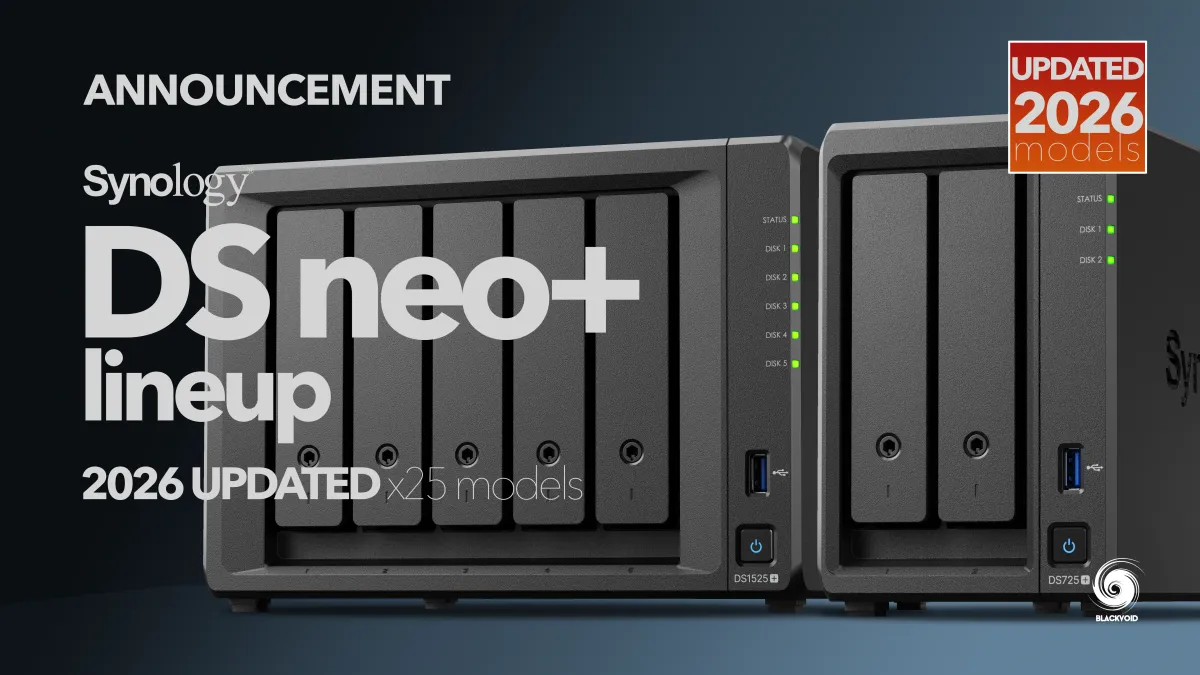
Recent escalations in RAM, HDD, and SSD pricing, with motherboard costs anticipated to follow, have prompted consumers and businesses to seek cost-effective alternatives amid the ongoing AI hyperscale expansion.
Synology faces direct consequences from these market and economic fluctuations, as its primary business model centers on distributing network-attached storage devices across the home, commercial, and enterprise sectors.
In the absence of official company announcements, Synology is reintroducing its X25 DS model lineup from the previous year with marginal modifications that represent a net reduction in specifications. This strategic approach directly addresses the current global supply constraints and elevated pricing pressures affecting RAM availability.
The company's previous product refresh cycle yielded modest improvements overall; however, it did introduce updated X25 models featuring 2.5GbE network connectivity and enhanced RAM configurations across select device variants.
 Luka Manestar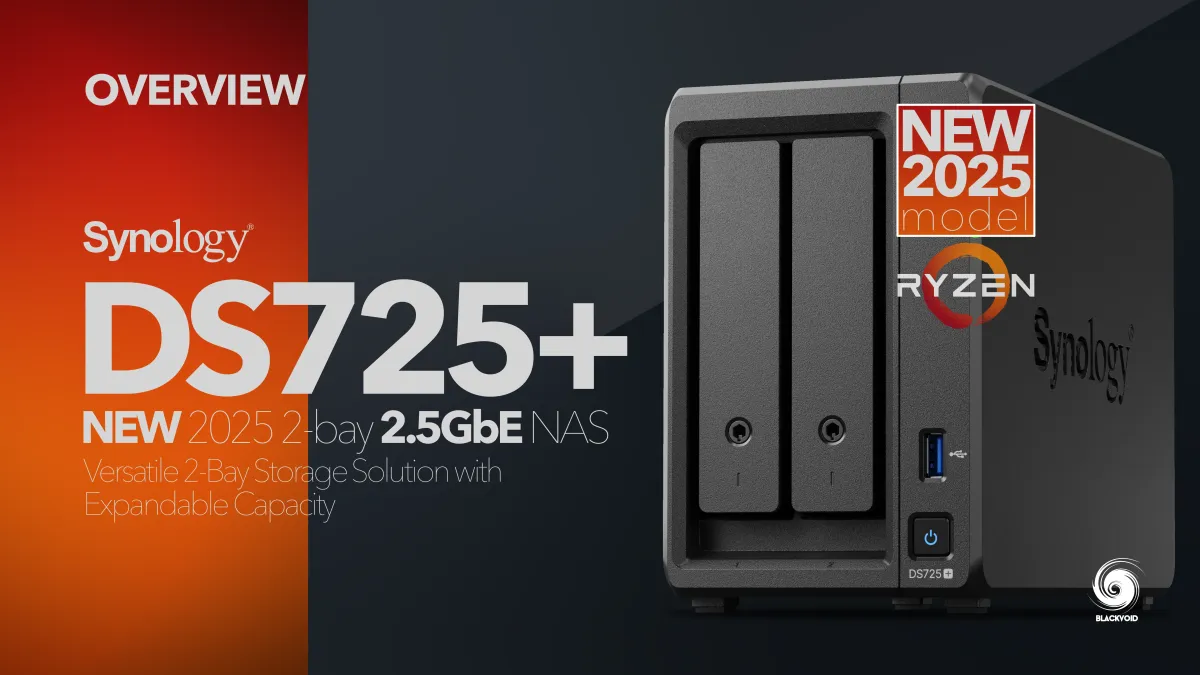
 Luka Manestar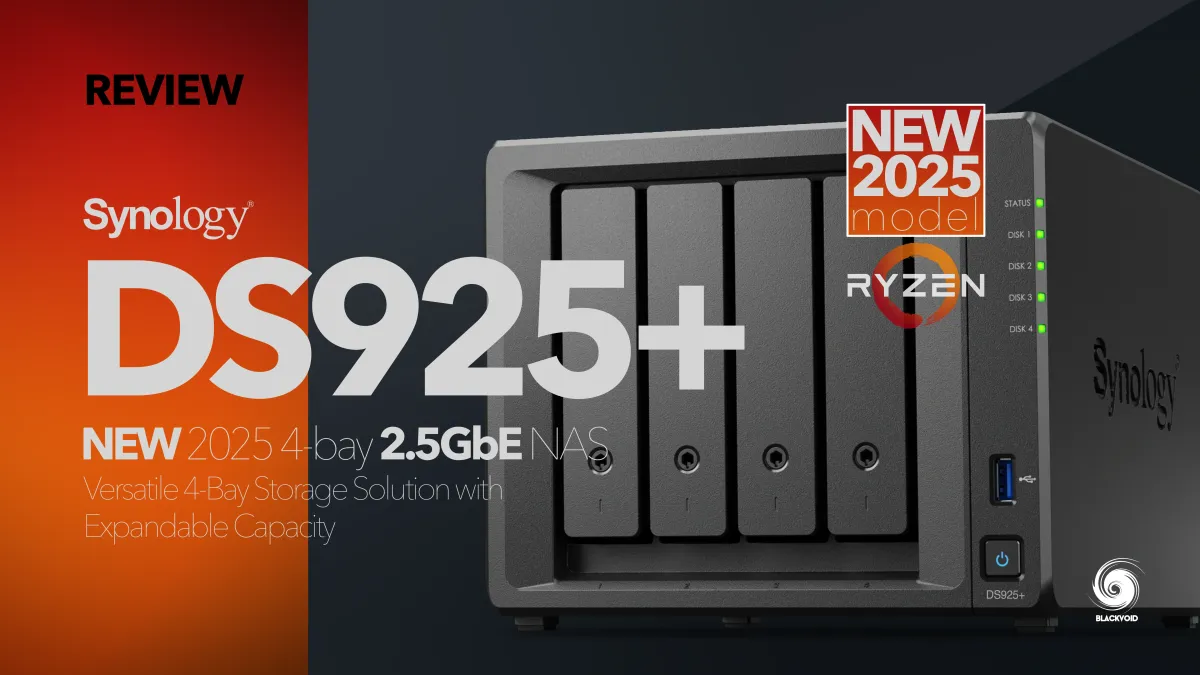
 Luka Manestar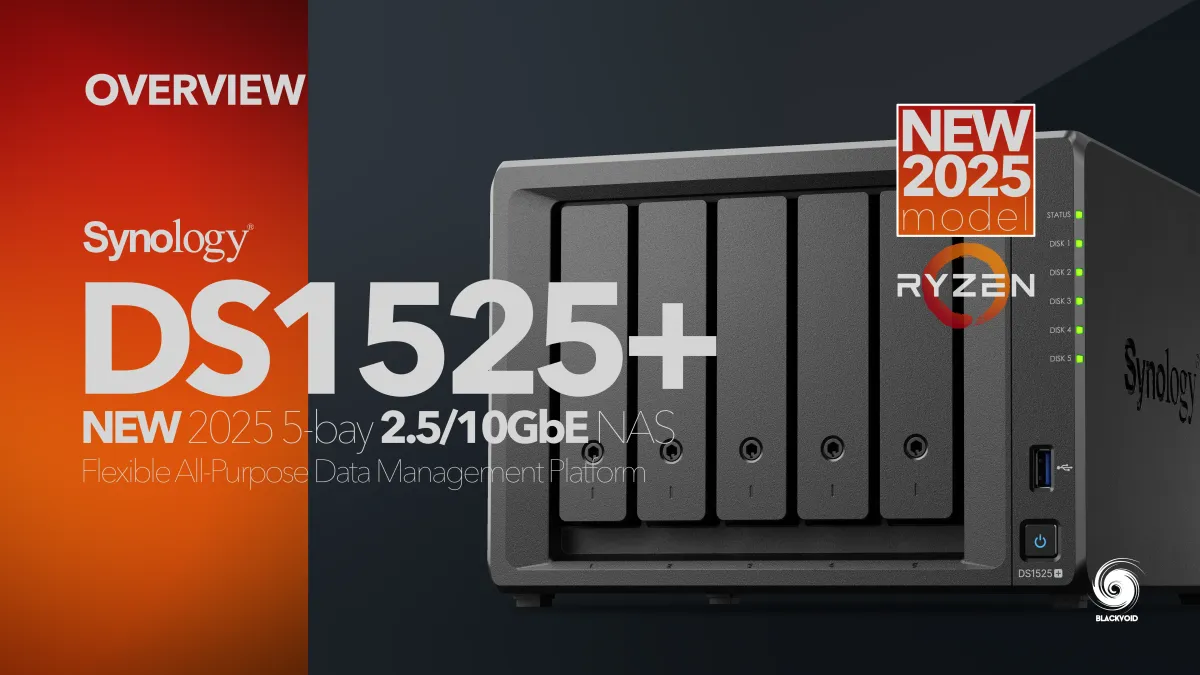
 Luka Manestar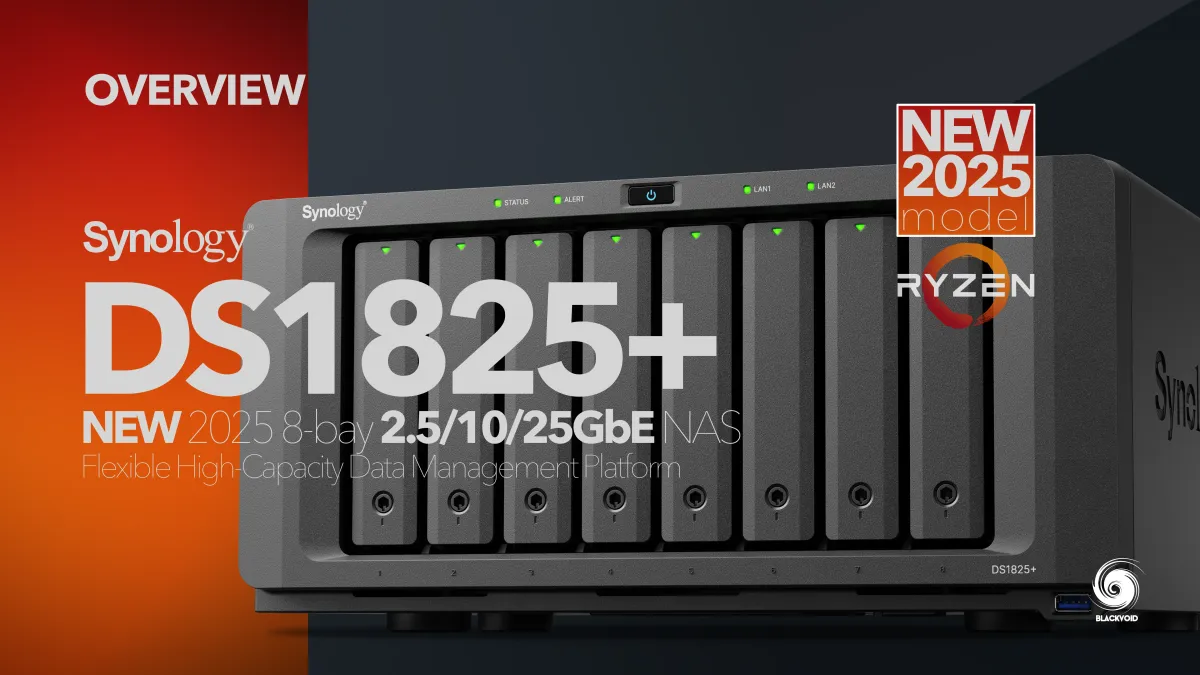
Synology has elected to release four DS X25 models under revised nomenclature, incorporating the new "neo" designation within the product naming convention.
Alongside the existing DS725+, DS925+, DS1525+, and DS1825+ models, the company now offers neo variants of each device.
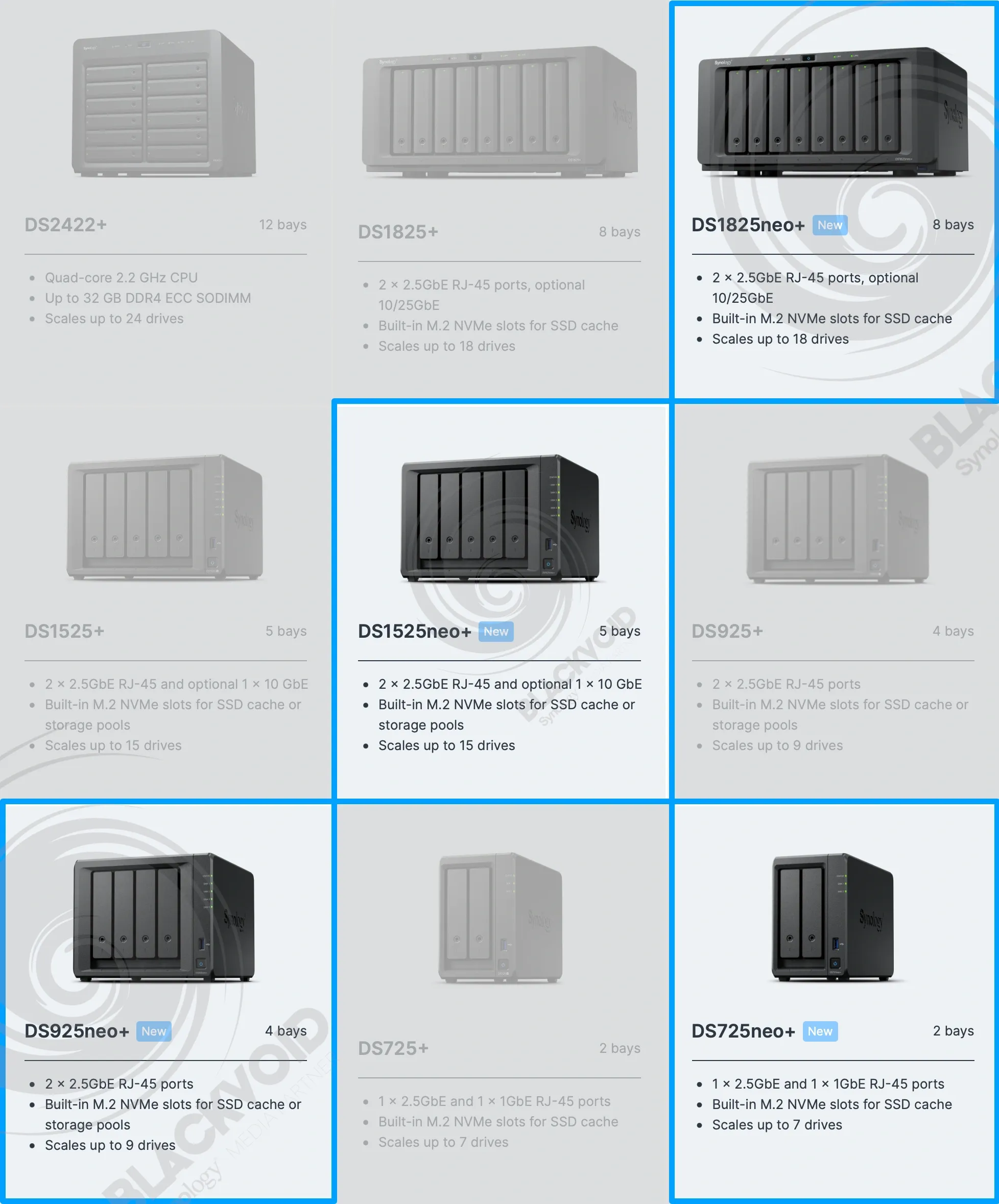
Functionally identical to their predecessors with the exception of memory specifications, these neo variants are positioned at lower price points, standardly configured with 4 GB of DDR4 non-ECC memory. All models retain a maximum memory capacity of 32 GB.
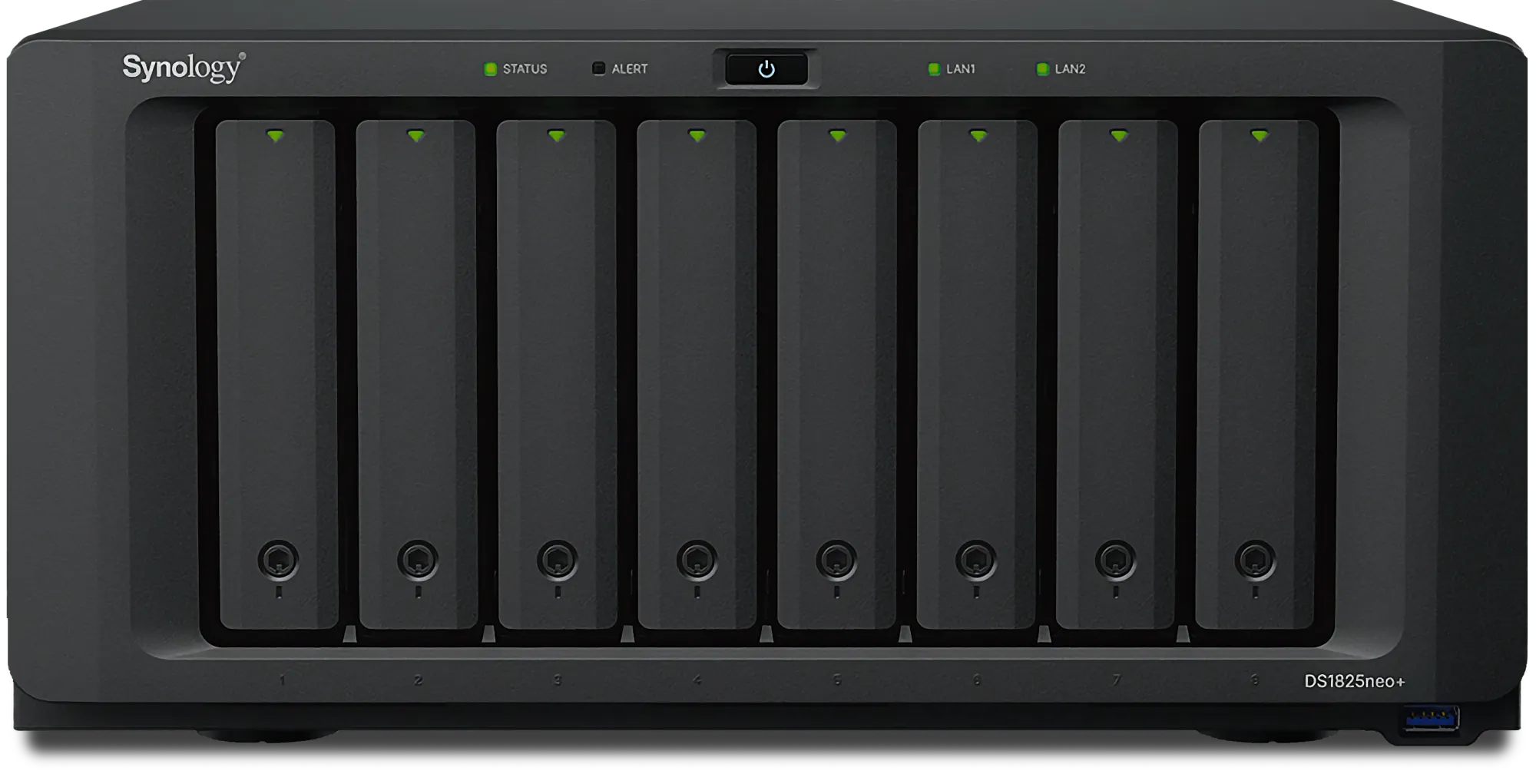
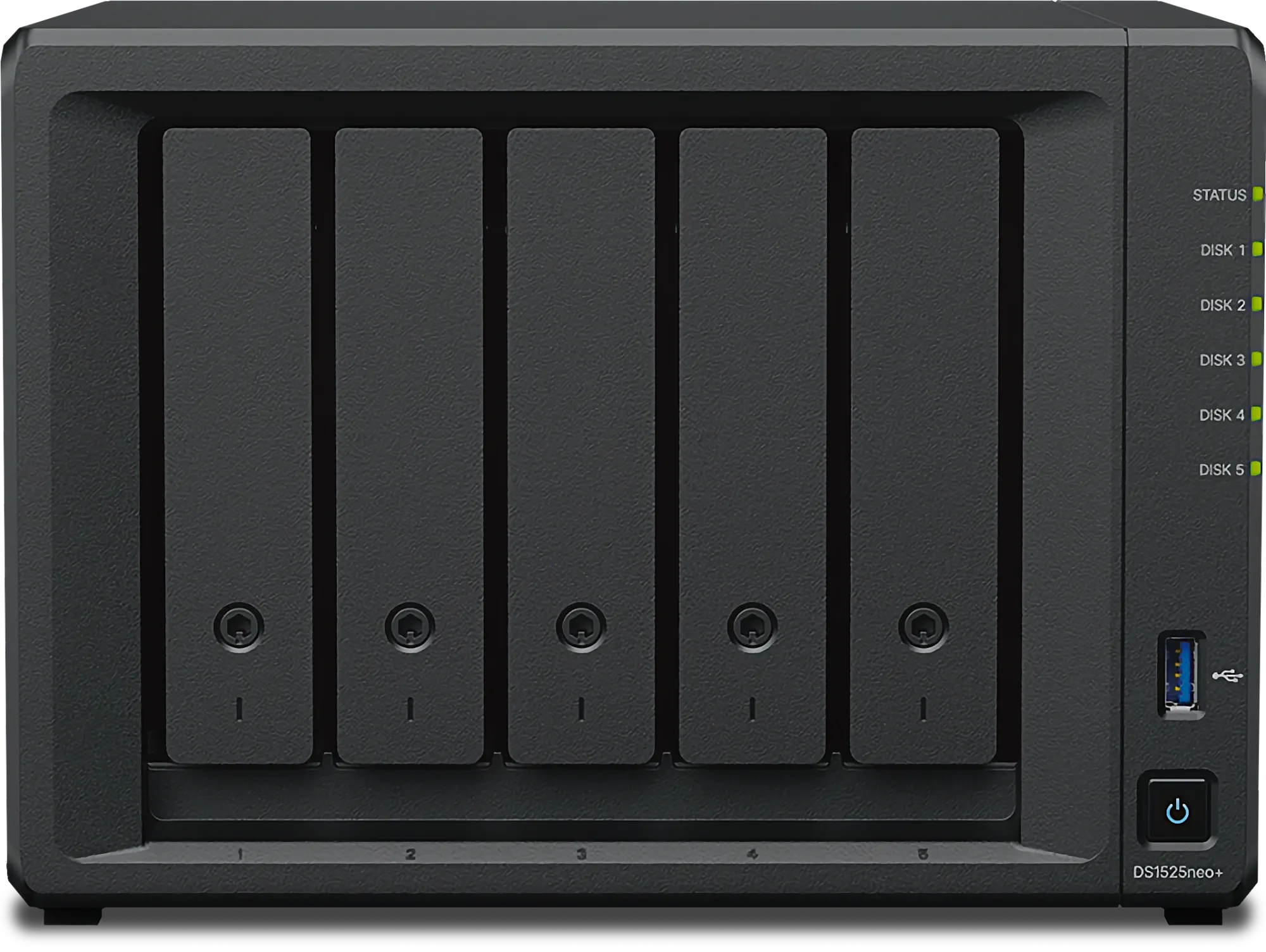
With the exception of the DS1525+ and DS1825+, specifications remain unchanged beyond the transition from ECC to non-ECC memory. The latter two models undergo more substantial downgrades in their neo iterations, featuring not only non-ECC memory but also reduced standard capacity, declining from 8 GB in the original X25 versions.
From a customer perspective, these neo variants present expanded purchasing options for those for whom RAM capacity is not a primary consideration. Given that no other hardware components have been modified, these models offer a cost-effective entry point for budget-conscious buyers.
Disk compatibility protocols remain consistent with existing standards. Disk policy version 5.0 continues to govern compatibility, permitting drives from all manufacturers to function within these systems without restricting users to Synology-branded storage solutions.
The precise pricing differential will only become apparent upon product launch, which is currently scheduled for an unspecified date.