Synology PAS3600 overview

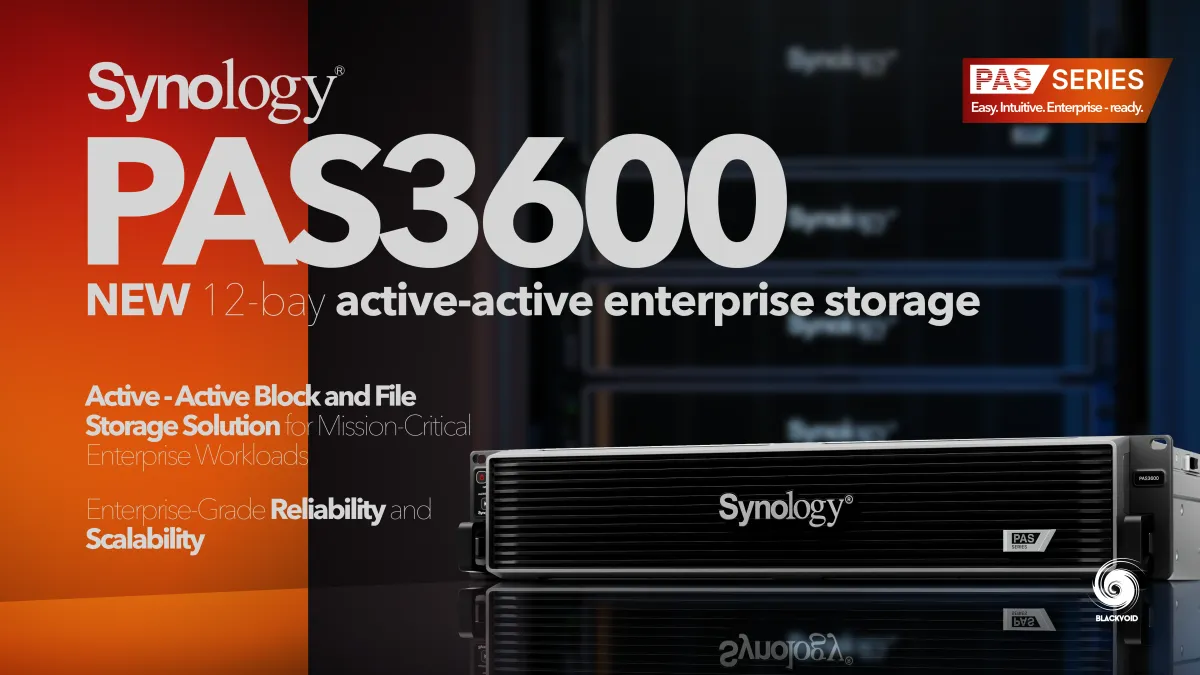
Synology is expanding its enterprise storage portfolio with the new PAS3600 Parallel Active Station, a 12-bay active-active storage platform designed for Tier-2 mid-sized businesses and enterprise departments that need high availability, dependable performance, and flexible storage capacity.
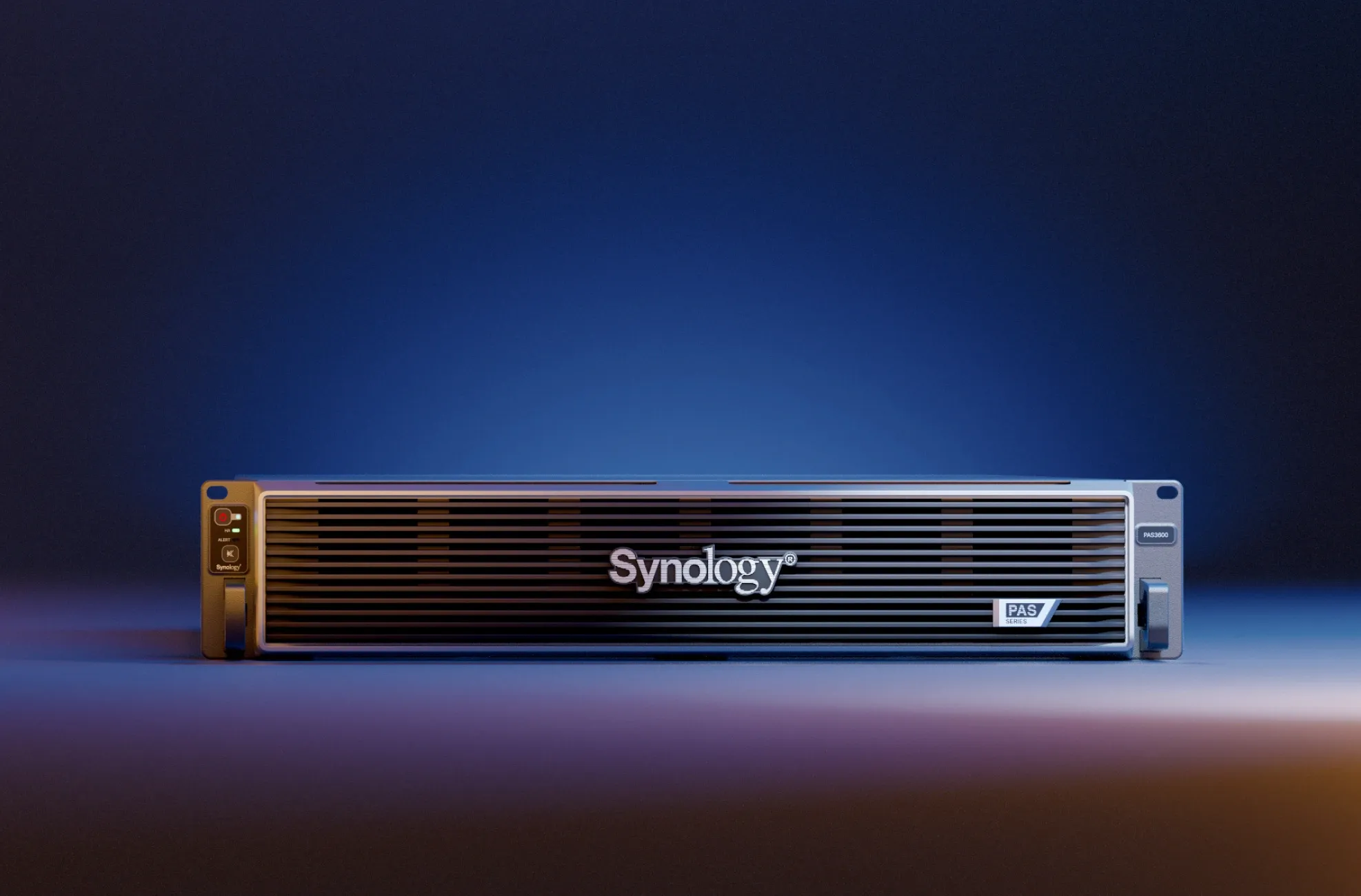
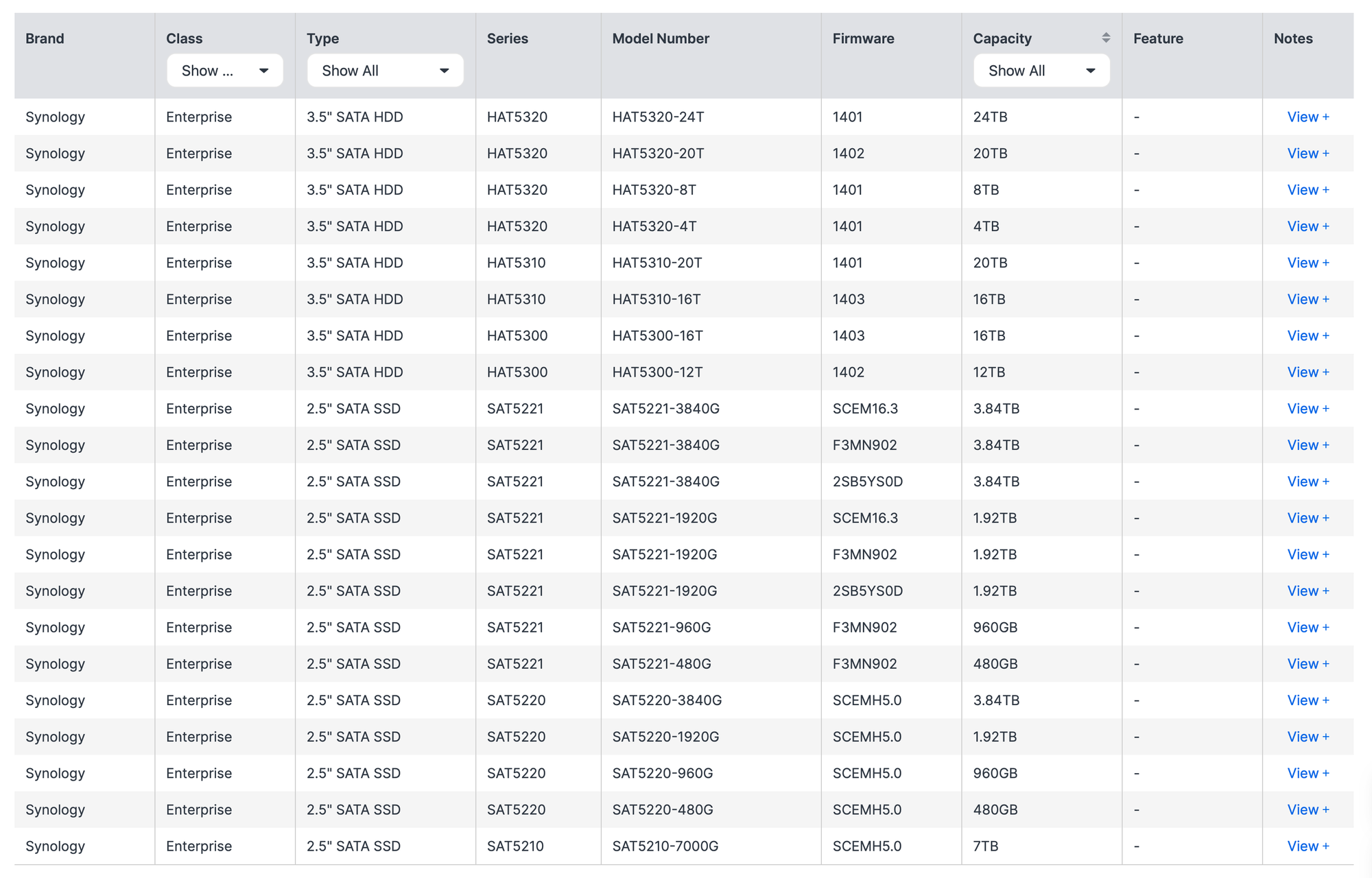
Built around dual active-active controllers, the PAS3600 brings enterprise-grade block and file storage capabilities into a more approachable 2U rackmount system. Supporting both SATA SSDs and HDDs, it allows organizations to balance performance and capacity according to individual workload requirements, without committing to an entirely flash-based infrastructure.

Performance is one of the PAS3600's strongest selling points. Powered by dual Intel Xeon D-1726 six-core processors, with 16 GB of ECC DDR4 memory per controller (expandable to 256 GB), the system delivers over 607,000 4K random read IOPS in an all-SSD configuration. Its connectivity includes two 10GbE ports per controller, with optional 25GbE networking and 16/32G Fibre Channel connectivity through additional expansion cards. The 12 internal drive bays support hot-swappable SATA drives, while an optional PAX212 expansion unit doubles capacity to 24 bays and up to 576 TB of raw storage. This makes the PAS3600 particularly attractive for virtualization, database workloads, and consolidated enterprise file services.


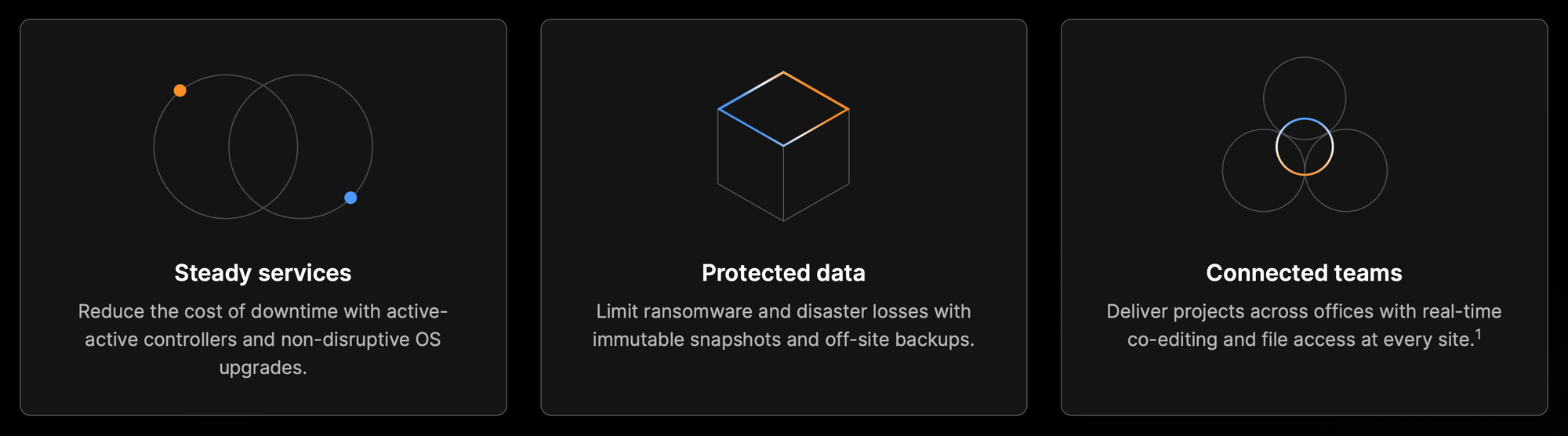
Availability and data protection are equally important. Its active-active controller architecture is designed to maintain data and application services during hardware failures and planned system maintenance. Redundant, hot-swappable power supplies further reduce potential points of failure, while software-defined network failover simplifies network resilience.

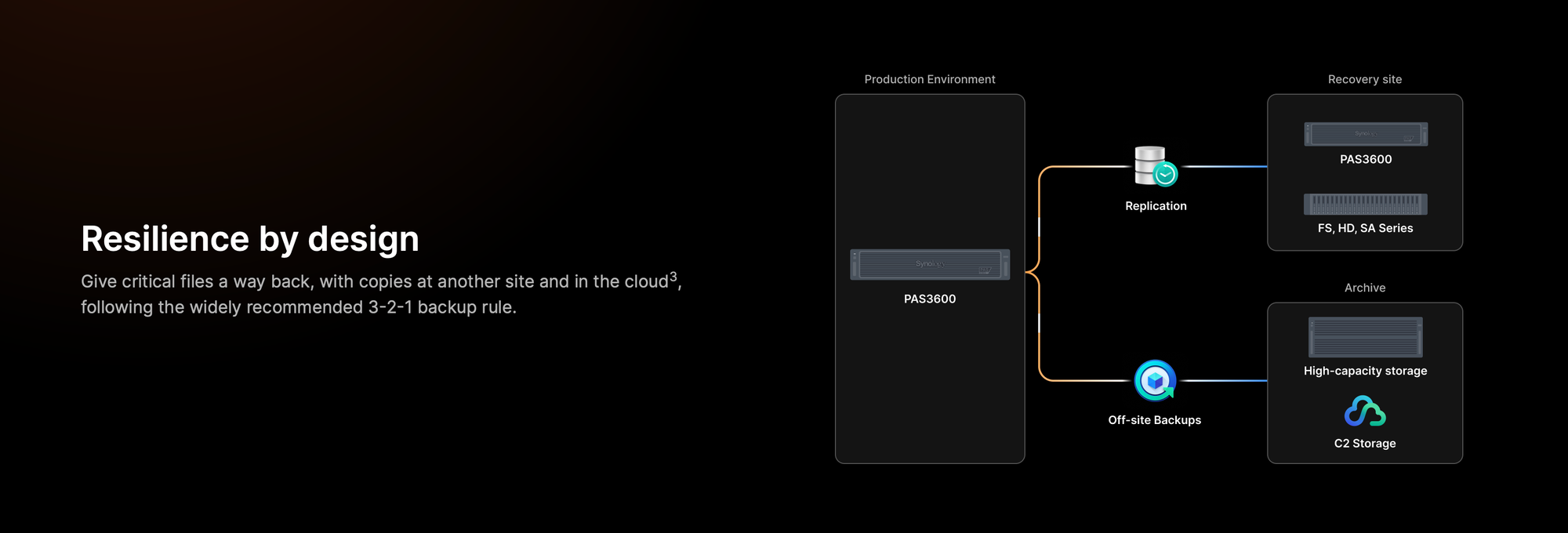
IT administrators also benefit from immutable snapshots, WriteOnce shared folders, Snapshot Replication, and Hyper Backup, helping protect critical information against ransomware, accidental deletion, and other disruptions.
Compatibility with VMware vSphere, Microsoft Hyper-V, and Citrix XenServer, alongside Kubernetes CSI integration, makes the platform suitable for modern hybrid IT environments
An interesting perspective emerges when comparing the PAS3600 with Synology's flagship PAS7700. The latter is engineered for substantially more demanding environments, offering 48 NVMe drive bays, AMD EPYC processors, up to 1 TB of memory per controller, and up to 2 million random read IOPS. Its expansion capabilities reach 216 drives and 1.65 PB of raw capacity.
 Luka Manestar
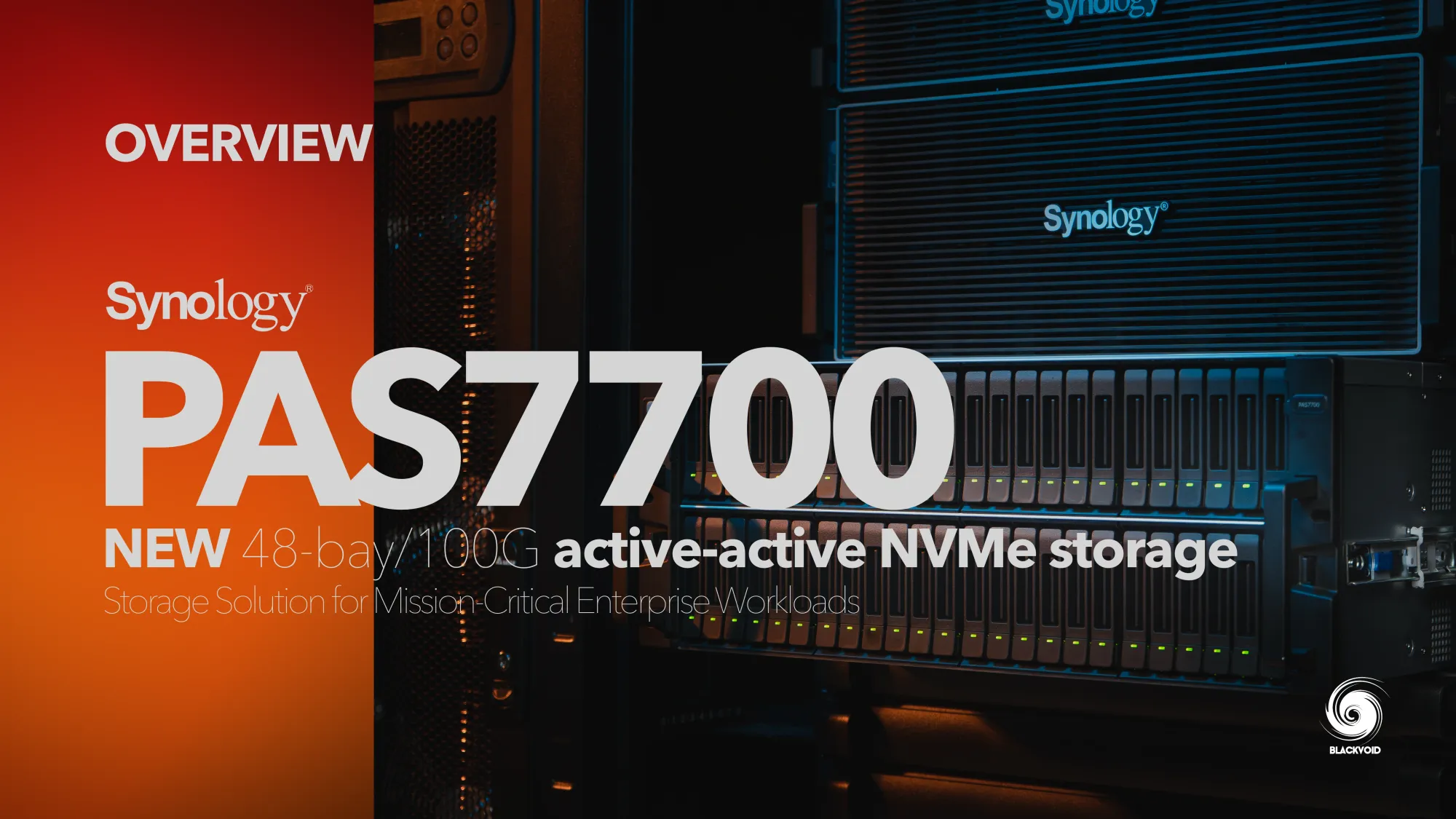
The flagship PAS7700 overview
 Luka Manestar
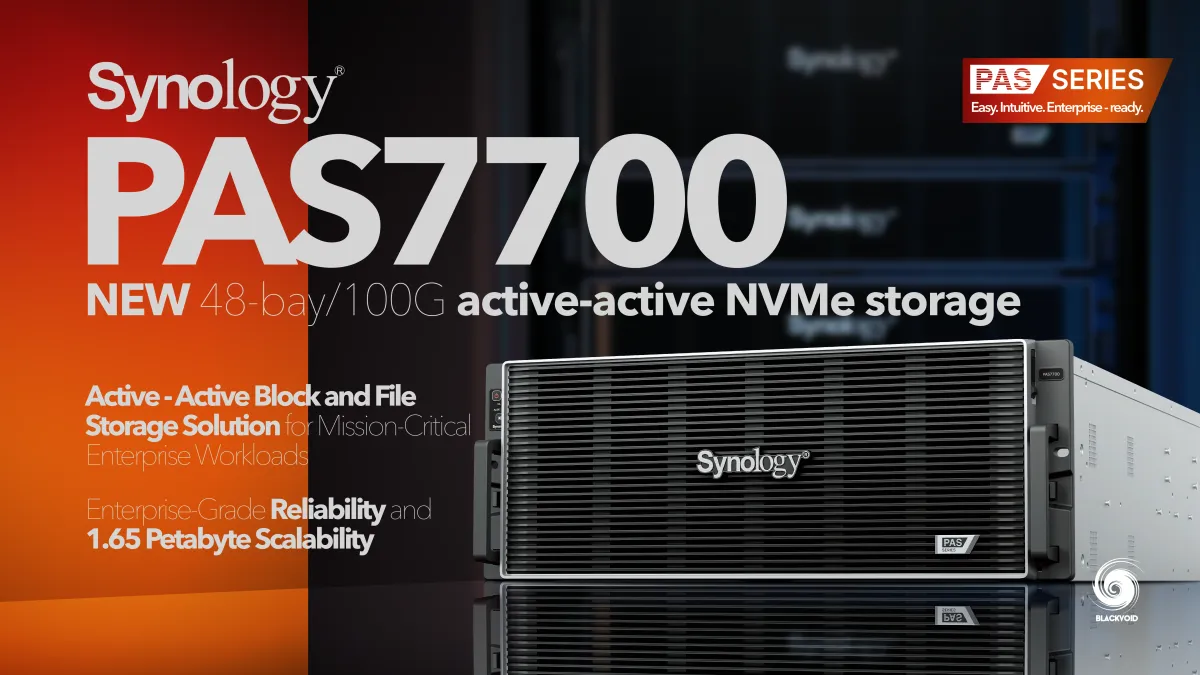
PAS7700 global launch article
The PAS3600 does not attempt to compete at this level. Instead, it offers a more balanced architecture based on SATA storage, lower hardware requirements, and a smaller footprint. For many enterprise departments, this represents a more practical investment, delivering high availability and strong performance without the need for flagship-level NVMe infrastructure.
There are, naturally, some considerations. The PAS3600's SATA architecture and 607,000-plus read IOPS ceiling make it less suitable than the PAS7700 for extremely latency-sensitive applications and highly consolidated, large-scale environments.
 Luka Manestar
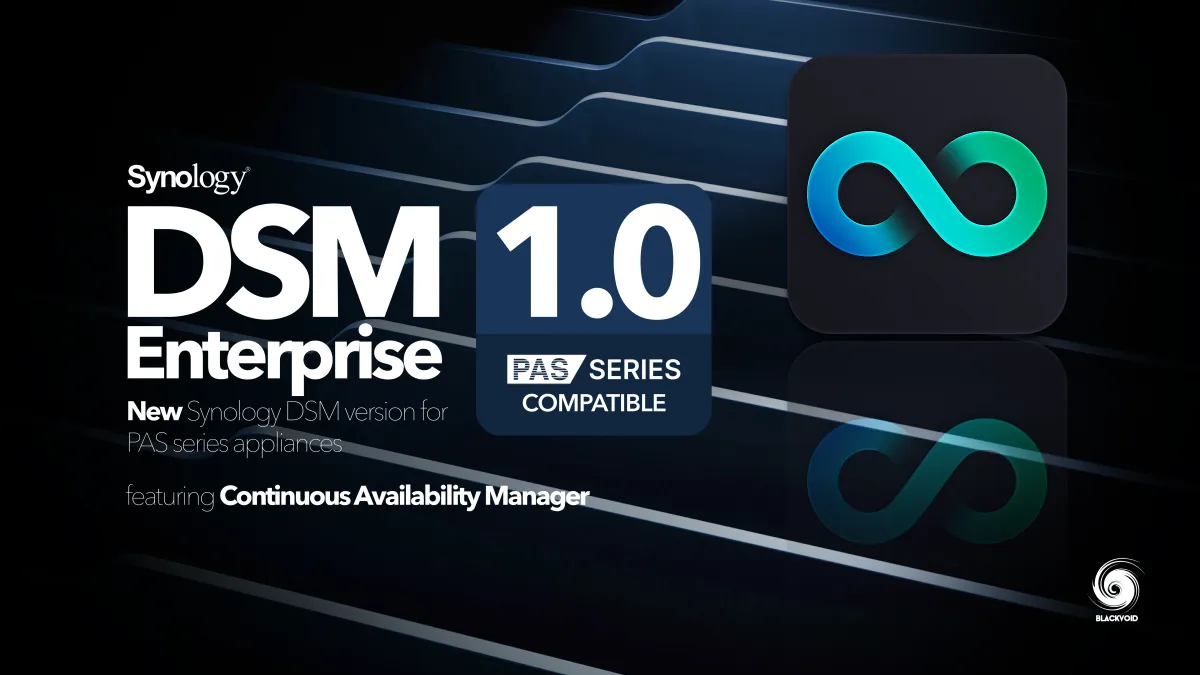
Its initial 12-bay configuration may also require careful capacity planning, while optional networking, Fibre Channel adapters, memory upgrades, and expansion units add to the overall investment. Furthermore, some productivity features, including Synology Drive, Synology Office, and Hybrid Share, are scheduled for future DSM Enterprise releases rather than being immediately available. These are important considerations when planning a deployment.
The Synology PAS3600 is best suited to mid-sized and large enterprises, corporate IT departments, virtualization environments, and organizations consolidating multiple storage workloads onto a highly available platform
It offers an appealing combination of performance, redundancy, data protection, and expansion flexibility, backed by a five-year limited warranty. While the PAS7700 remains the natural choice for organizations requiring maximum NVMe performance and petabyte-scale growth, the PAS3600 establishes a compelling middle ground, offering enterprise-class storage capabilities with a more measured approach to infrastructure investment.
For organizations looking to modernize their storage architecture without overengineering their environment, the PAS3600 deserves serious consideration.